Why Does a Portable Toilet Smell Strong in Manhattan?
A portable toilet that suddenly smells much stronger than usual may need attention, especially if the odor persists after the door has been open. Heat, heavy use, or a service issue can contribute; a strong smell is a reason to check the unit and report what you notice. Manhattan’s humid continental climate brings four distinct seasons, and summer heat can make odor complaints more noticeable around busy sites near Bryant Park.
-
Check the timing: Note when the odor began and whether it worsens after periods of heavy use.
-
Describe the location: Tell the service team which unit is affected and whether the smell is inside or around it.
-
Consider the weather: Hot, humid conditions can intensify odors, so report recent heat along with the symptom.
-
Avoid moving the unit: Drop-off means delivery and placement; relocation without coordination can complicate access and service.
Winter service needs its own planning because freeze protection depends on equipment and site conditions. An ADA portable toilet access guide can help you confirm that the selected unit and approach suit the people using it. If the odor remains strong, share the location, timing, and site access details with our crew.
Why does a portable toilet smell unusually strong?
A strong odor can signal that a unit needs attention, but the smell alone does not identify the cause. Start by checking whether the complaint concerns one unit or several, when it began, and whether the door, ventilation area, or surrounding ground has an obvious issue.
Don’t open tanks or pour household chemicals into the unit. That can create a safety problem and make service harder.
A portable toilet is a single-user enclosure with a waste system; users should keep trash and unsuitable items out of it. Portable toilet blackwater is the waste collected inside that system, not something to drain onto a job site or street.
On Manhattan sites near the Empire State Building, restricted staging space can make clear placement and service access especially important. We use the reported symptom and unit location to determine whether a service visit or a placement check is the practical next step.
When should you call rather than troubleshoot?
Call for service if the odor stays unusually strong, returns quickly after the unit has been used, or comes with visible leakage, damage, a tipped unit, or an overdue cleaning. A quick check from outside is reasonable; opening the tank or trying to pump it yourself is not. That is the DIY boundary.
A portable toilet dolly is for controlled unit relocation, not a way to move a full or unstable toilet without a plan. Moving a unit yourself can cause spills, damage, or block the route needed for service.
Our crew asks for the affected unit’s location, the symptom, and a usable site contact so we can coordinate the next step. If a broader service issue is involved, Portable Toilet Cleaning Service explains the cleaning support available.
Can placement or usage make the problem worse?
Yes: a poorly chosen location can make an odor complaint harder to manage, and high use can make a unit seem overdue for attention. Portable toilet placement should account for safe, level positioning and a route that workers can reach without moving stored materials or crossing vehicle traffic.
On a construction site, a portable toilet planning guide helps supervisors think through placement, access, and site use before a complaint develops. Buying a portable toilet instead of renting it may also mean taking on ownership, transport, and upkeep; compare that responsibility with the needs of a temporary project.
We have seen teams skip the service-route check: the unit is accessible to users but boxed in for the service crew. Fix that access issue early.
What does a repeat odor mean for service planning?
If the same complaint keeps returning, review how often the unit is being used and whether the existing visit plan fits actual site activity. A rental service-frequency guide can help a site lead ask whether the agreed visits match changing user volume, rather than assuming the original schedule will always fit.
For ongoing Manhattan work, share the expected duration, site hours, and access limits with the rental crew. Our team coordinates placement and maintenance around the agreed schedule and site conditions.
We have served Manhattan for more than 11 years, where building schedules and tight loading access can affect how service is arranged. What to Confirm About Cleaning Schedules Before Renting in New York offers a useful checklist for discussing service expectations.
Which Portable Toilet Setup Fits a Strong-Odor Problem?
Choose based on who uses the unit, the site layout, and whether the concern is ongoing maintenance or a one-time event. A ventilated holding tank is designed to allow airflow, but it does not replace cleaning or a service visit when an odor persists.
| Option | Best for | Key detail |
|---|---|---|
| Standard portable toilet rental | A basic site or event need | Single-user unit; confirm the service plan |
| Event portable toilet rental | A gathering with changing attendance | Coordinate delivery and pickup around event access |
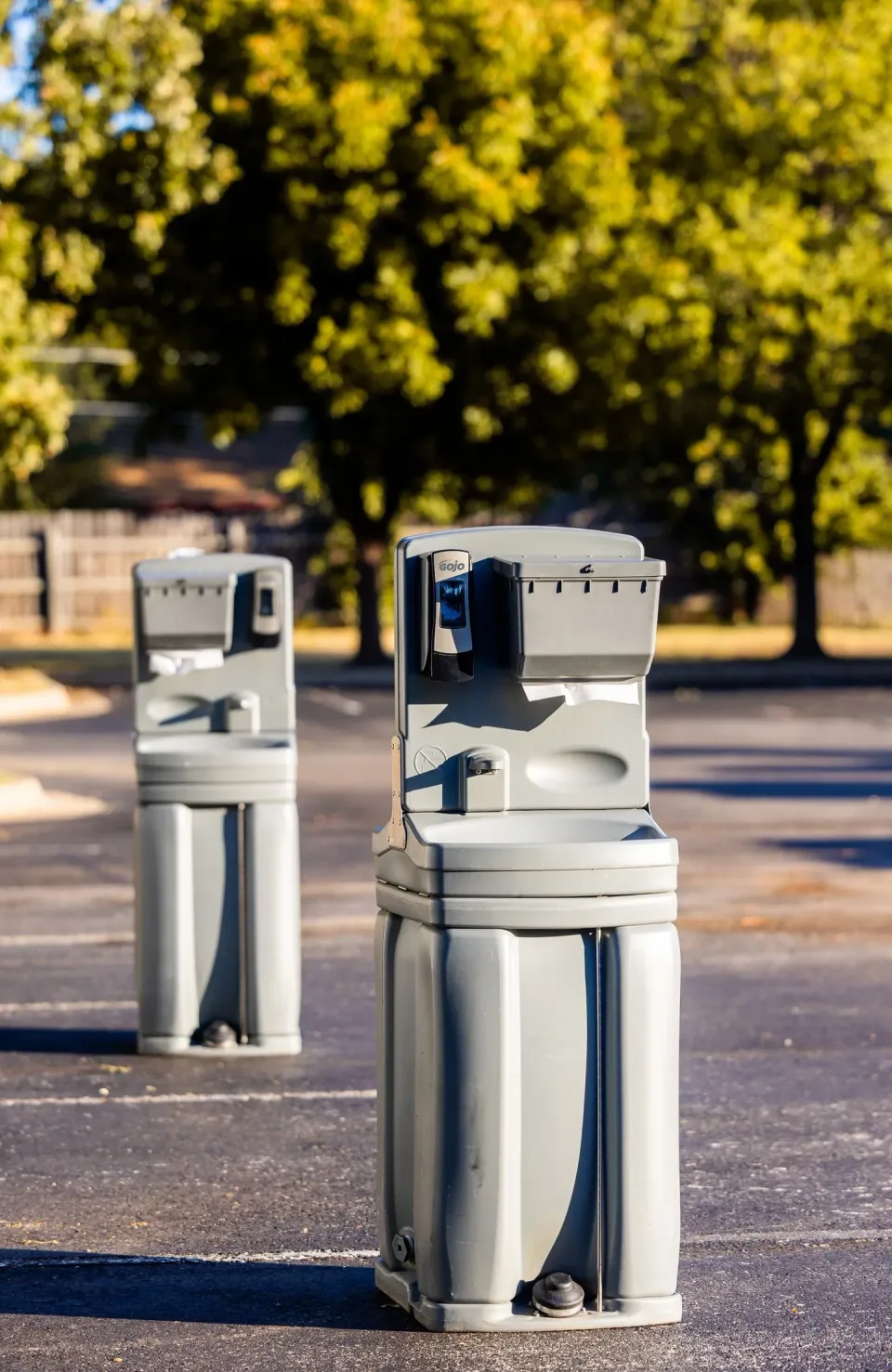
| Hand sanitizer dispenser | Basic hand hygiene without a sink | Sanitizer is not running water; consider the handwashing needs |
| Holding tank | Sites needing separate sealed waste storage | Capacity varies by model; confirm selection for expected use |
| Scheduled cleaning and restocking | Repeated use over a rental period | Planned visits can address cleaning and supply checks |
Manhattan’s dense street grid can limit truck access and staging, including around Washington Square Park. Tell us about access constraints before choosing a setup.
How Do You Arrange Service for a Smelly Portable Toilet?
A clear report helps the service crew distinguish an isolated odor complaint from a site-wide access or scheduling problem. Share the unit location and the conditions that could affect the visit; around The High Line, nearby activity and Manhattan’s dense street grid can make truck access and staging a planning concern.
| Step | What to do |
|---|---|
| 1. Report the symptom | Identify the unit and explain when the strong odor began. |
| 2. Confirm the delivery plan | Discuss the portable toilet delivery schedule and share the site contact and access instructions. |
| 3. Check the site layout | Use a portable toilet rental size guide to verify the selected unit suits the available space. |
| 4. Arrange servicing | Tell the crew how the site is being used so the servicing plan can be discussed. |
| 5. Review the agreement | Read the portable toilet rental agreement for the agreed service and pickup arrangements. |
Molded plastic shells are made through a plastics-forming process; lighter shells can make relocation easier, but they do not make an unstable placement safe. For an urgent problem, report the symptom and ask whether emergency service is available.
When Should You Call New York Toilet Pros About Odor?
A strong odor that persists, returns soon after use, or accompanies a leak or damaged unit is a good reason to report the problem rather than try tank repairs yourself. If a scheduled cleaning was missed, tell the service team the visit date and which unit was affected so the issue can be checked against the agreed plan.
For wedding portable toilet rental, discuss the guest setting and the service arrangements before the event; odor complaints are harder to handle once guests arrive. Only toilet waste and appropriate toilet paper belong in a portable toilet trash and other materials can create blockages or complicate waste handling.
In Manhattan, summer heat can intensify odors, while winter freezes can affect water lines and handwashing stations. Share your site conditions with New York Toilet Pros and request a service plan through Standard Porta Potty Rental.